If you or someone you know is in immediate danger, call the Police on 111
If you need the Police but can’t speak for fear of harm, you will be asked to press keys for emergency assistance. If hearing or speaking is difficult, you can sign up to 111 TXT
If you need to leave this website quickly, use the ‘quick exit button’ at the bottom of the screen.
If you need urgent support services, you can get help now
Telling someone
The first step might be telling some you trust what happened. This could be a parent or caregiver, a teacher or trusted adult, or a support service.
You can find out about the different types of support services here:
Talking to police
Talking to police
If you want to, you can talk to the police and tell them what happened.
The police will ask what happened then listen to what you say and write it down. You can have a support person with you, like whānau or a trusted adult, when you talk to them.
Investigation
The police will collect information and decide what to do next. They might look for evidence and talk to anyone who saw what happened to you.
If you decide to make a statement that could be used in court, they might video what you say. You can talk to police without deciding everything straight away.
Court
If your case does go to court, you might be asked to share what happened to you. There will be people there to explain what’s happening and you can bring a support person, like a parent or trusted adult, with you.
There are special rules for children and young people to make sure you feel safe telling your story. You will share what happened over video, so you won’t be able to see the person who harmed you and they won’t be able to talk to you.
If you are under 17 a parent or guardian can get updates on the person who hurt you through the Victim Notification Register:
Victim Notification Register | Department of Corrections(external link)
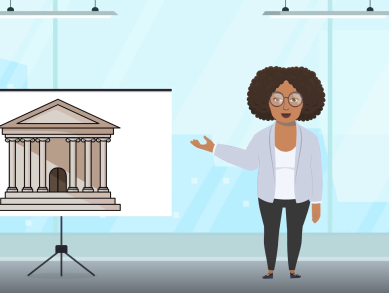
Here is a short video that explains going to court as a witness.
If the person who hurt you is young
If you were hurt by another young person, there might be a Family Group Conference. This is a meeting with the young person who hurt you, their whānau and others (like police) to talk about what happened and what can be done to make it right.
You, your whānau, or a trusted adult, can take part if you choose.